
Free Consultation 716-222-2222
Speak to a Lawyer 24/7
Speak to a Lawyer 24/7
High winds can turn a routine drive into something far more unpredictable on the open roads throughout Buffalo and Western New York. Many drivers find themselves wondering what wind speed is dangerous for driving, and this uncertainty can lead to car accidents when conditions change faster than expected. At O’Brien & Ford, we understand how quickly strong winds can shake your confidence behind the wheel, and we aim to give drivers clear, straightforward guidance to help them stay safe and avoid collisions.
It becomes too windy to drive when wind reaches levels that make it hard to maintain control of the vehicle. In many situations, this begins with moderate wind and intensifies as conditions worsen. Buffalo often faces strong seasonal weather, and the mix of open highways, bridges, and lake-effect patterns can make driving unpredictable.
According to information from the National Weather Service, sustained winds of 30 mph for one hour or frequent gusts of 45 mph or more can create hazardous conditions. These speeds make it difficult for high-profile vehicles to stay stable and can send unsecured objects into the roadway. While every situation is different, these thresholds show when caution becomes essential. As wind increases further, the risk of lane drift, debris impacts, and reduced visibility rises quickly.
Driving in 20 mph winds is usually manageable, but small bursts of wind can still affect steering at higher speeds or on elevated roads. Vehicles with taller frames may feel a slight push, and lighter cars can sway when exposed to crosswinds, requiring more attention and steady control of the wheel. Rain, slush, or wet leaves can exacerbate the situation, reducing traction while the wind pulls at the vehicle.
Two-Minute Guarantee:
An attorney will be with you within two minutes, GUARANTEED.
Driving in 30 mph winds is not ideal, as these speeds can create challenging and sometimes hazardous conditions. Wind at this level can make steering difficult, push a vehicle off its line, and cause lane drift on open roads like the I-190 or Route 5. As wind speeds approach 40 mph, the danger increases, and larger vehicles, such as box trucks, vans, motorhomes, and delivery vehicles, become more unstable. In these situations, reducing speed, widening your following distance, and staying alert to drivers struggling to maintain control becomes essential.
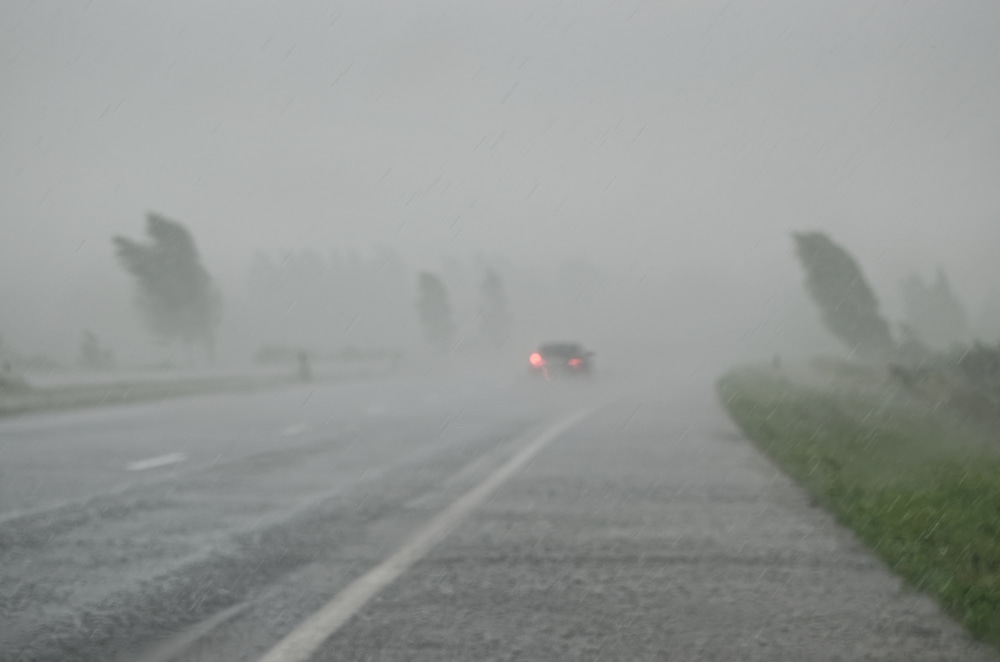
Driving in 50 mph winds is extremely hazardous, and avoiding travel is strongly recommended. At this level, wind can make steering unpredictable, push vehicles out of their lane, knock down tree limbs, and send debris into the roadway. Visibility can also drop quickly due to blowing dust, snow, or spray. These conditions significantly increase the chance of a high-wind car accident in Buffalo. Winds above 50 mph often trigger road closures, bridge advisories, and public safety warnings because they exceed what most drivers can safely manage.
Driving in 100 mph winds is extremely dangerous and should never be attempted. Wind of this magnitude can overturn vehicles, shatter windows, and send large debris into the air. Roads may become impassable, traffic signals can fail, and emergency services may be limited. No vehicle can be safely operated in these conditions. While Buffalo rarely experiences winds this intense, severe regional storms can produce them, and the safest choice is to stay sheltered until conditions improve.
Buffalo Personal Injury Lawyer. Choose the 2’s.
With over 80 years of combined experience, the Buffalo personal injury lawyers at O’Brien & Ford, PC are here to fight for the justice you deserve. Call us today at (716) 222-2222 to schedule your free consultation with one of our top-rated attorneys.
Under New York Vehicle and Traffic Law §1180, drivers must travel at a speed that is reasonable and safe for the conditions, which includes times when wind makes control more difficult. When wind begins to affect the way your vehicle handles, adjusting your driving is necessary to meet this requirement and reduce the risk of a collision.
Buffalo’s wide highways, lakefront routes, and elevated bridges can make wind more intense than expected, and small changes in speed or steering often determine whether a driver stays in control. Using these safety measures helps you stay compliant with state law and reduces the chance of a high-wind car accident when conditions become unpredictable.
Strong wind can turn a routine drive into an emergency, and many car accidents in Buffalo occur because drivers underestimate what wind speed is dangerous for driving. If you were injured in a crash influenced by high wind or debris, O’Brien & Ford can explain your options and protect your rights. Call 716-222-2222 to speak with a Buffalo car accident attorney and schedule a free consultation.
Chris O’Brien is a nationally recognized personal injury attorney with over 30 years of experience fighting for accident victims in Western New York. A founding partner at O’Brien & Ford, he has helped recover millions for clients and built a reputation as a top trial lawyer and educator. Chris is a Diplomate of the National College of Advocacy, a member of the Million Dollar Advocates Forum, and was named one of Western New York’s Top Ten Lawyers by Buffalo Business First. He lives in Amherst with his family and their Bernedoodle, Moose.
Years of experience: 33 years
Practice areas: Personal Injury Law, Car Accidents
Location: Buffalo, New York
Avvo | Super Lawyers | Best Lawyers | FindLaw


This page has been written, edited, and reviewed by a team of legal writers following our comprehensive editorial guidelines. This page was approved by Attorney Chris O’Brien, who has more than 33 years of legal experience as a personal injury attorney.

Key Takeaways Injured passengers can sue the driver of their own vehicle, another driver, or both parties. New York's no-fault system pays initial medical costs through the host driver's PIP ...
Posted by Chris O’Brien
Key Takeaways Liability insurance does not cover vehicle damage from hitting a deer in New York. Comprehensive coverage is the only policy type that pays for a direct deer strike. Coll...
read morePosted by Chris O’Brien
Key Takeaways New York requires at least $25,000 per person and $50,000 per accident in bodily injury liability coverage. Bodily injury liability covers medical expenses, lost wages, and ...
read moreGet a Free Case Evaluation
If you or a loved one has been seriously injured, please fill out the form below for your free consultation or call us at (716) 222-2222

 716-222-2222