
Free Consultation 716-222-2222
Speak to a Lawyer 24/7
Speak to a Lawyer 24/7
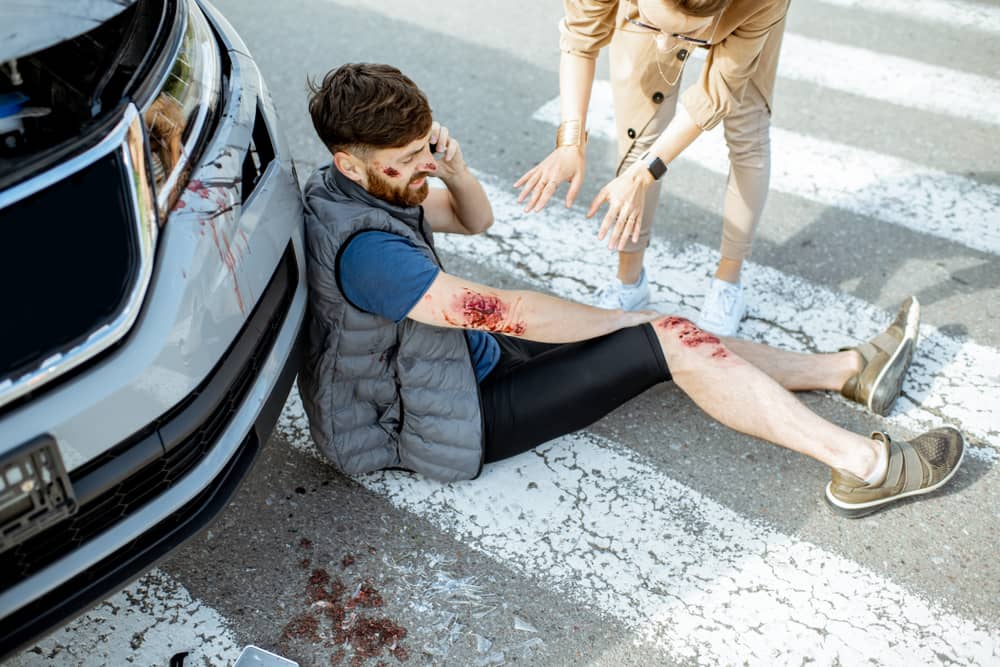
Pedestrian accidents can alter a life in seconds, especially along Buffalo’s busy corridors where vehicles, cyclists, buses, and foot traffic intersect daily. When a vehicle strikes someone without physical protection, the body absorbs the full force of impact, frequently resulting in devastating injuries. Because there is no barrier between a pedestrian and a multi-thousand-pound vehicle, these collisions often lead to broken bones, traumatic brain injuries ranging from concussions to severe TBIs, and spinal cord damage that may cause partial or complete paralysis. Lower extremity fractures, such as broken legs and ankles, occur most often because impact typically happens at bumper height, and once contact occurs, the body often falls or is propelled forward, leading to upper body fractures, soft tissue damage, and internal organ trauma.
Injury severity depends on interconnected factors, including vehicle design, speed, and the precise point of impact. Vehicles with hood heights exceeding approximately 40 inches are more likely to project pedestrians forward, increasing the risk of head and torso trauma. Speed remains critical as well, since even lower-speed collisions can generate enough force to cause significant brain or spinal injury. In most pedestrian crashes, the legs absorb the first strike, which often results in secondary head or torso injuries once the pedestrian hits the pavement.
At O’Brien & Ford, we represent Buffalo residents who suffer pedestrian accident injuries after drivers fail to yield at crosswalks, accelerate through intersections, or divert attention from the road. Our work focuses on helping injured clients regain stability while holding negligent motorists accountable under New York’s pure comparative negligence system, where partial fault reduces compensation but does not eliminate the right to pursue financial recovery.
Related reading: I Got Hit by a Car While Walking, What Should I Do Next?
Because a pedestrian often experiences both primary vehicle impact and secondary contact with pavement, head trauma ranks among the most serious outcomes in pedestrian collisions. Rapid acceleration and deceleration forces disrupt brain function, and symptoms often develop gradually rather than immediately. Many head injuries sustained in a pedestrian collision evolve over days, which makes early neurological evaluation essential for both medical stability and documentation. Delayed symptoms, such as memory gaps, confusion, or worsening headaches, can affect a claim’s value if not properly documented, making consistent follow-up care critical in Buffalo injury litigation.
In more severe cases, head trauma may affect processing speed, impulse control, or emotional regulation, which can alter professional performance and family relationships long after visible injuries heal. Even subtle cognitive changes can disrupt daily routines when concentration, memory, or decision-making becomes inconsistent. Comprehensive neurological testing, including neuropsychological evaluations, helps clarify the extent of brain-related harm and ensures long-term effects are not dismissed as temporary symptoms.
Although some people treat concussions as minor, medical research offers a clearer definition. According to the Centers for Disease Control and Prevention, a concussion is a type of traumatic brain injury caused by a bump, blow, or jolt that forces the brain to move rapidly within the skull, triggering chemical changes and sometimes stretching or damaging brain cells. In pedestrian collisions, even a forceful impact to the body can generate sufficient acceleration to injure the brain without a direct blow to the head.
Common symptoms may include:
When insurers question whether cognitive complaints relate to the crash, detailed emergency room records, imaging studies, and follow-up neurological evaluations often make a significant difference in proving the scope of harm.
More severe traumatic brain injuries extend beyond temporary dysfunction and may produce lasting impairments involving speech, balance, personality, and executive function. Individuals sometimes require hospitalization, neurological monitoring, and prolonged rehabilitation. These injuries affect earning capacity and daily independence, and insurance companies may attempt to minimize their impact. Strong medical timelines and expert opinions help connect pedestrian accident injuries involving TBIs directly to the Buffalo crash event.
Following head trauma, spinal cord damage presents another life-altering category of injury. High force impact can fracture vertebrae, compress discs, or damage the spinal cord itself. Partial paralysis, often referred to as paraplegia, limits movement and sensation in the lower body and may disrupt bladder or bowel control. Complete paralysis, sometimes called quadriplegia, can eliminate motor function below the neck and, in severe cases, interfere with breathing.
Even when paralysis does not occur, nerve compression, chronic lumbar pain, and disc herniations frequently follow serious pedestrian accident injuries. These conditions often require surgery, extensive therapy, and long-term medical supervision. Under New York’s pure comparative negligence system, a pedestrian may still recover compensation even when partially at fault, although the percentage of fault reduces the final award, which makes early legal guidance essential.
Because bumper height is often the first point of contact, lower extremity fractures are common in Buffalo pedestrian collisions. The American Academy of Orthopaedic Surgeons explains that a fracture is any crack or break in a bone, whether complete or partial, and that physicians use the terms break and fracture interchangeably. Lower body injuries may involve the femur, tibia, fibula, ankle, or pelvis, while upper body fractures often affect wrists, ribs, arms, or collarbones after a fall.
Despite the seriousness of these fractures, insurance companies often attempt to categorize them as routine injuries. In reality, extended rehabilitation, limited mobility, surgical recovery, and lost wages frequently transform a single fracture into a prolonged disruption of financial stability and independence. Accurately calculating those long-term effects makes a substantial difference when negotiating a settlement.
Buffalo Personal Injury Lawyer. Choose the 2’s.
With over 80 years of combined experience, the Buffalo personal injury lawyers at O’Brien & Ford, PC are here to fight for the justice you deserve. Call us today at (716) 222-2222 to schedule your free consultation with one of our top-rated attorneys.
Not every serious injury shows up on an X-ray, yet muscle, ligament, and connective tissue damage can cause persistent pain and instability. Many pedestrian accident injuries include soft tissue trauma that limits range of motion and daily function, even when imaging appears normal.
Sprains affect ligaments, while strains involve muscles or tendons, often occurring in the ankles, knees, wrists, and neck when a pedestrian twists during impact. Swelling, stiffness, and instability may interfere with work and routine tasks. Consistent medical care strengthens documentation when insurers challenge these injuries as minor.
Deep bruising and lacerations often result from contact with asphalt, metal, or shattered glass. Facial injuries may require sutures or reconstructive care, and nerve damage can create lingering sensitivity. Photographs, surgical notes, and follow-up treatment records help establish the seriousness of these pedestrian accident injuries when negotiating settlement value.
While fractures and visible wounds often draw immediate attention at the scene, internal trauma may pose an even greater threat because symptoms frequently remain hidden during the critical hours following a collision. Emergency imaging, diagnostic testing, and physician evaluations become essential not only for stabilizing the patient but also for establishing a clear medical link between the crash and subsequent complications.
Blunt force impact may injure the liver, spleen, kidneys, or lungs, and internal organ trauma can lead to long recovery periods and, in severe cases, permanent impairment. Surgical reports and hospital records typically serve as critical evidence linking internal injuries directly to the collision. Delayed diagnosis can complicate recovery and legal claims, particularly when symptoms worsen days after the crash. Prompt evaluation not only protects physical health but also prevents insurance carriers from arguing that internal complications developed from unrelated causes.
Internal bleeding may occur in the abdominal cavity, chest, or brain. Early signs sometimes include dizziness, weakness, or abdominal discomfort, yet symptoms may escalate quickly. Rapid diagnosis protects health and strengthens a legal claim by clearly tying the bleeding to the pedestrian accident injuries sustained at impact.
Physical recovery rarely tells the full story after a violent collision. Emotional trauma often follows serious crashes, particularly when a pedestrian experiences sudden loss of control and vulnerability in traffic.
Flashbacks, nightmares, and heightened anxiety near roadways commonly develop after traumatic crashes. PTSD can disrupt sleep, strain relationships, and interfere with concentration at work. Therapy records and mental health evaluations often help document emotional distress that stems from the collision and its lasting psychological impact.
Ongoing medical treatment, financial strain, and lifestyle changes frequently contribute to depression or generalized anxiety. Individuals may withdraw socially, struggle with motivation, or experience persistent worry. Professional counseling documentation helps demonstrate how a Buffalo pedestrian accident affects overall well-being beyond visible wounds.
As recovery progresses, many injured pedestrians discover that healing extends far beyond initial hospitalization. Long-term effects influence compensation discussions and shape future planning.
Chronic pain persists beyond normal healing and typically lasts longer than three months. MedlinePlus defines chronic pain as discomfort that continues beyond expected recovery and distinguishes it from acute pain, which resolves once healing occurs. Persistent burning, aching, or sharp sensations can disrupt sleep and reduce concentration.
When nerve damage or improperly healed fractures follow a serious pedestrian collision, long-term discomfort may limit career options, restrict physical independence, and alter long-range financial planning. Insurance carriers frequently undervalue future pain management, therapy, and adaptive needs unless projected costs are clearly supported by medical providers.
Severe trauma sometimes requires permanent adjustments that reshape nearly every aspect of daily life. Long-term consequences frequently extend beyond physical limitations and affect independence, employment, and family responsibilities.
Long-term adjustments may include:
Life care planning often accounts for future therapy, medical equipment, in-home assistance, and transportation needs necessary for long-term independence. These projected expenses carry significant weight in Buffalo personal injury claims, particularly when insurance carriers attempt to minimize long-range costs or dispute ongoing support.
When pedestrian accident injuries disrupt your health, employment, and family stability, experienced legal guidance can influence how your claim unfolds. At O’Brien & Ford, we understand Buffalo traffic patterns, local court procedures, and the challenges injured pedestrians face when insurance companies shift blame under comparative negligence principles.
Our team gathers medical records, consults specialists, preserves evidence, and negotiates assertively to reflect the full impact of your injuries. Call (716)-222-2222 to schedule a free consultation and learn how we can help you pursue accountability and financial recovery after a pedestrian accident in Buffalo.
Chris O’Brien is a nationally recognized personal injury attorney with over 30 years of experience fighting for accident victims in Western New York. A founding partner at O’Brien & Ford, he has helped recover millions for clients and built a reputation as a top trial lawyer and educator. Chris is a Diplomate of the National College of Advocacy, a member of the Million Dollar Advocates Forum, and was named one of Western New York’s Top Ten Lawyers by Buffalo Business First. He lives in Amherst with his family and their Bernedoodle, Moose.
Years of experience: 33 years
Practice areas: Personal Injury Law, Car Accidents
Location: Buffalo, New York
Avvo | Super Lawyers | Best Lawyers | FindLaw


This page has been written, edited, and reviewed by a team of legal writers following our comprehensive editorial guidelines. This page was approved by Attorney Chris O’Brien, who has more than 33 years of legal experience as a personal injury attorney.

Key Takeaways Emotional distress claims require proof of severe psychological harm caused by wrongful conduct. Intentional infliction requires extreme conduct, intent or recklessness, and sev...
Posted by Chris O’Brien
Pain after a collision does not always mean broken bones. Many Buffalo drivers deal with ongoing discomfort in the neck, back, shoulders, or joints, even when X-rays come back clear. A soft tissu...
read morePosted by Chris O’Brien
Recovering from a serious accident often requires more than emergency treatment alone. Many injured people in Buffalo need ongoing rehabilitation before they can regain strength, mobility, or ret...
read moreGet a Free Case Evaluation
If you or a loved one has been seriously injured, please fill out the form below for your free consultation or call us at (716) 222-2222

 716-222-2222