
Free Consultation 716-222-2222
Speak to a Lawyer 24/7
Speak to a Lawyer 24/7
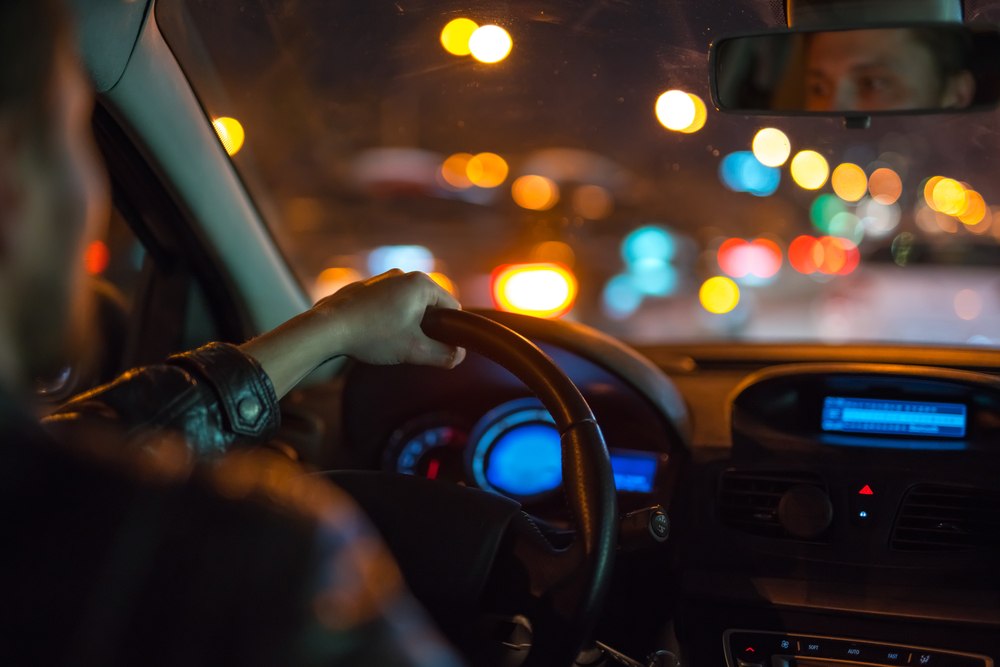
Night driving is dangerous because limited visibility, driver fatigue, and impaired motorists create conditions that daylight driving rarely produces. While roughly a quarter of all driving in New York happens after dark, according to the National Safety Council, more than half of all fatal traffic accidents occur during nighttime hours. Buffalo’s long winters and shorter daylight hours make escaping this reality harder. Every mile driven after dark carries risks absent in daylight, and understanding them is the first step toward staying safe and protecting your rights if something goes wrong.
At O’Brien & Ford, our car accident lawyers represent Buffalo drivers after serious collisions, including those on darkened roads. We review crash circumstances, identify liable parties, and pursue the full compensation you are entitled to under New York law.
After dark, the road becomes a different environment. Reduced light, tired drivers, and impaired motorists all contribute to a pattern that plays out on Buffalo roads every night. The following factors explain why nighttime collisions happen as often as they do.
Even with functioning headlights, a driver’s field of vision shrinks substantially after sunset. According to the National Safety Council, depth perception, peripheral vision, and color recognition all deteriorate in darkness, reducing reaction time when something unexpected appears. Buffalo winters add another layer: snow-covered lane markings, ice blending into dark pavement, and low road-edge contrast create hazards that are difficult to detect before it is too late.
Please read: Distracted Driving: Defining and Examining the Problem
The human body is primed to sleep at night, and driving against that rhythm can lead to microsleeps, slower reaction times, and impaired lane control. The National Highway Traffic Safety Administration identifies drowsy driving as a serious public safety threat linked to thousands of fatal crashes annually. A driver awake for 18 consecutive hours shows impaired judgment comparable to someone with a blood alcohol concentration of 0.05 percent, well below the legal limit but already dangerous behind the wheel.
Alcohol and drug impairment rates rise sharply after dark, particularly on weekends. Bars and entertainment venues in Buffalo’s Allentown, Elmwood Village, and downtown districts push intoxicated drivers onto the same roads as pedestrians and other vehicles. Their reaction times are already compromised, and low visibility can lead to a serious collision with almost no warning.
Oncoming headlights can cause several seconds of temporary blindness, enough time to miss a stopped vehicle or a pedestrian in a crosswalk. Drivers with uncorrected vision problems or age-related decline in night vision face longer recovery windows. High-beam misuse makes it worse: failing to switch to low beams for oncoming traffic creates a blind zone that can stretch hundreds of feet at highway speed.
Night driving is dangerous because it often overlaps with peak traffic periods. In Buffalo, evening rush hour runs between 4 and 7 p.m. on weekdays, and in winter, much of that window falls in complete darkness. Fatigued drivers share congested, snow-covered roads while visibility is at its lowest, creating ideal conditions for rear-end collisions, sideswipe crashes, and intersection accidents throughout the season.
Adjusting behavior to match nighttime conditions reduces exposure to the hazards above:
Good habits lower the odds, but they cannot account for every driver on the road. When negligence or impairment causes a crash, victims have legal options, and moving quickly matters.
Important information about What Is Defensive Driving and Why Does It Matter? and What Is Car Insurance Bodily Injury Liability Coverage in New York?
Buffalo Personal Injury Lawyer. Choose the 2’s.
With over 80 years of combined experience, the Buffalo personal injury lawyers at O’Brien & Ford, PC are here to fight for the justice you deserve. Call us today at (716) 222-2222 to schedule your free consultation with one of our top-rated attorneys.
Crashes after dark pose unique challenges. Low visibility, driver fatigue, and impaired motorists complicate not just the collision itself but the legal process that follows. Night driving is dangerous in ways that affect how liability gets established and what evidence remains. At O’Brien & Ford, we work to document liability before evidence disappears and push back against insurers who minimize what you are owed. Call (716) 222-2222 for a free consultation.
Chris O’Brien is a nationally recognized personal injury attorney with over 30 years of experience fighting for accident victims in Western New York. A founding partner at O’Brien & Ford, he has helped recover millions for clients and built a reputation as a top trial lawyer and educator. Chris is a Diplomate of the National College of Advocacy, a member of the Million Dollar Advocates Forum, and was named one of Western New York’s Top Ten Lawyers by Buffalo Business First. He lives in Amherst with his family and their Bernedoodle, Moose.
Years of experience: 33 years
Practice areas: Personal Injury Law, Car Accidents
Location: Buffalo, New York
Avvo | Super Lawyers | Best Lawyers | FindLaw


This page has been written, edited, and reviewed by a team of legal writers following our comprehensive editorial guidelines. This page was approved by Attorney Chris O’Brien, who has more than 33 years of legal experience as a personal injury attorney.
Key Takeaways Injured passengers can sue the driver of their own vehicle, another driver, or both parties. New York's no-fault system pays initial medical costs through the host driver's PIP ...
Posted by Chris O’Brien
Key Takeaways Liability insurance does not cover vehicle damage from hitting a deer in New York. Comprehensive coverage is the only policy type that pays for a direct deer strike. Coll...
read morePosted by Chris O’Brien
Key Takeaways New York requires at least $25,000 per person and $50,000 per accident in bodily injury liability coverage. Bodily injury liability covers medical expenses, lost wages, and ...
read moreGet a Free Case Evaluation
If you or a loved one has been seriously injured, please fill out the form below for your free consultation or call us at (716) 222-2222

 716-222-2222