
Free Consultation 716-222-2222
Choose The 2’s
Choose The 2’s
A dog attack can shatter a normal afternoon in Buffalo without warning, leaving families facing painful injuries, urgent medical visits, and difficult questions about responsibility. In the hours that follow, many injured residents search for straightforward answers about how severity is evaluated and how those classifications influence medical care, insurance claims, and financial recovery. A clear understanding of how harm is measured can steady decision-making during an otherwise overwhelming moment.
Dog bite levels, commonly defined through the Dunbar Bite Scale, range from Level 1, where no skin contact occurs, to Level 6, involving a fatal attack. Levels 1 and 2 involve no broken skin, while Levels 3 through 5 include shallow to deep puncture wounds, and Level 6 reflects a deadly event. The scale evaluates both aggressive behavior and resulting physical injury.
For Buffalo residents, this framework carries practical consequences beyond terminology, since physicians rely on these distinctions when documenting wounds, insurers review them when assessing claims, and courts may consider them when evaluating liability under New York law.
At O’Brien & Ford, we help Western New York families understand how these classifications apply to real injuries and real legal claims. When uncertainty follows a dog attack, steady guidance and clear explanations can make a meaningful difference.
The Dunbar Bite Scale organizes dog attacks into six progressive categories based on behavior and wound severity. Instead of focusing solely on visible injury, the system considers how the dog acted, how forcefully the teeth made contact, and how deeply the tissue was affected. Animal control agencies, medical professionals, and attorneys rely on this structured approach because consistency helps when describing dog attack severity.
By tracing aggression from warning snaps to fatal harm, the scale provides a shared vocabulary for evaluation. When reviewing a Buffalo dog bite injury, legal professionals often reference this classification to explain injury seriousness during negotiations or court proceedings.
Although the six-tier system appears straightforward, assigning a classification requires careful evaluation of medical findings and behavioral context. Investigators examine the sequence of events, the force applied during the bite, and the extent of physical damage before determining where an incident falls on the scale. In discussions involving dog bite levels, precision matters because minor contact differs dramatically from deep, tissue-damaging injuries.
Several factors guide the assessment:
Accurate classification also depends on careful documentation from the beginning, since early records often shape how severity is understood later. Emergency room reports detailing wound depth, photographs taken soon after the incident, and animal control findings together form the foundation for evaluating the extent of harm. When insurers review a claim, this documentation frequently guides how the injury is categorized and influences the direction of compensation discussions.
When evaluating tooth contact, professionals determine whether the dog’s teeth pressed against the skin or pierced through it. Minor redness, bruising, or superficial abrasions may appear even when skin remains intact. Lower classifications often reflect warning aggression rather than intent to cause serious injury, yet documentation remains important for medical records and legal analysis.
As stated in MedlinePlus, a cut, also known as a laceration, creates a break in the skin and may extend into muscles, tendons, ligaments, nerves, blood vessels, or bone. A puncture wound forms when a pointed object, including a sharp tooth, penetrates the skin and may reach deeper tissue layers despite appearing small on the surface. Symptoms may include bleeding, pain, numbness, limited movement, and an increased risk of infection. When evaluating dog bite levels, clinicians measure puncture depth and tissue involvement carefully, since shallow wounds require different treatment and carry different long-term implications than deep, tearing injuries.
Beyond contact and wound depth, evaluators consider whether the dog bit once or multiple times. A single defensive bite may fall into a lower category, while repeated deep bites often indicate sustained aggression and elevate classification.
While wound depth provides an important starting point, medical and behavioral professionals evaluate both physical and emotional harm when determining classification. Severe tissue damage, nerve involvement, and lasting scarring often correspond with higher tiers. At the same time, psychological injury receives careful consideration, since children and adults alike may experience anxiety, sleep disruption, or persistent fear responses after a traumatic dog attack.
To illustrate how trauma assessment unfolds:
When professionals assign dog bite levels, they weigh both dimensions together. More serious injuries combined with significant psychological distress typically reflect a greater degree of harm than minor surface wounds accompanied by limited emotional effects. In Buffalo dog bite cases, documenting both forms of trauma strengthens the overall presentation of damages.
In situations involving facial injuries or visible scarring, emotional consequences may extend well beyond physical recovery. Children, in particular, may withdraw socially or require counseling to address lasting fear responses. When evaluation reflects sustained physical harm alongside meaningful psychological impact, classification often shifts toward higher tiers on the severity scale.
Buffalo Personal Injury Lawyer. Choose the 2’s.
With over 80 years of combined experience, the Buffalo personal injury lawyers at O’Brien & Ford, PC are here to fight for the justice you deserve. Call us today at (716) 222-2222 to schedule your free consultation with one of our top-rated attorneys.
With these evaluative principles in place, the six-level system progresses from warning behavior to fatal harm, reflecting increasing severity in conduct and injury. As the scale advances, the classification does more than describe behavior. Each level signals increasing medical risk, potential long-term consequences, and greater legal exposure for a dog owner. Understanding how the progression unfolds helps injured residents recognize why even a single escalation in severity can significantly affect both recovery and compensation discussions.
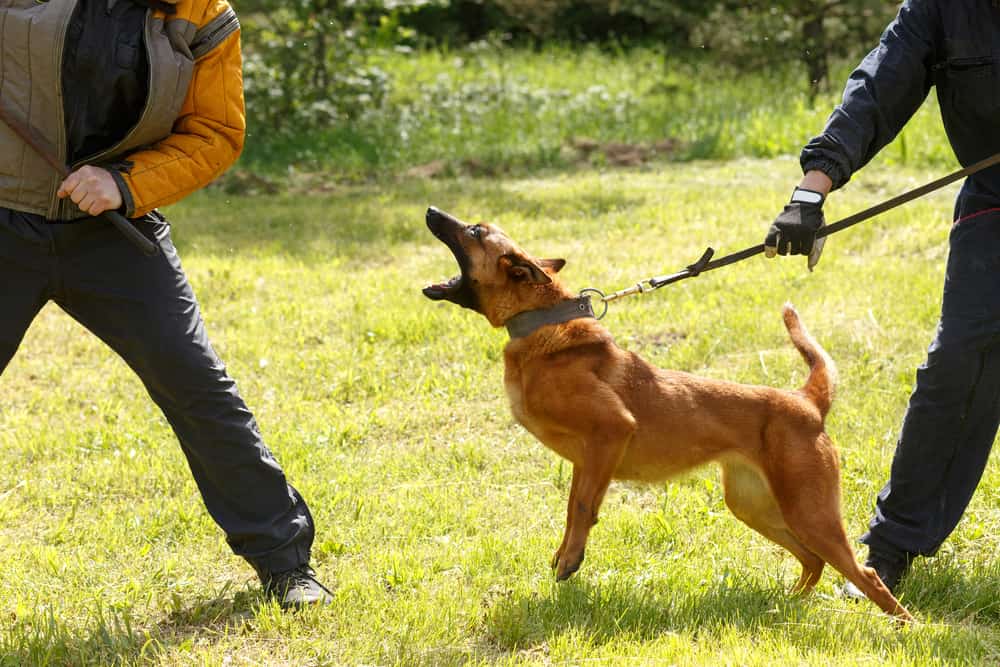
At the first tier, a dog may snap or lunge without tooth-to-skin contact, and although no physical injury occurs, fear and shock can still affect the victim. Within the broader classification system, Level 1 represents warning aggression without tissue damage.
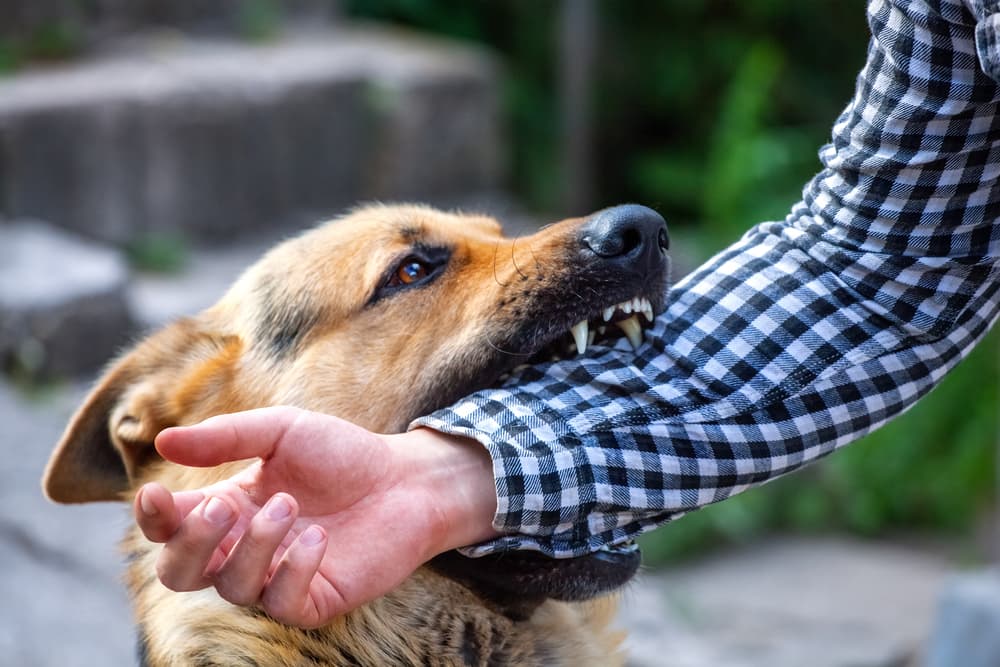
As the scale advances to Level 2, teeth make contact with the skin without producing puncture wounds. Minor redness or surface abrasions may appear while medical treatment often remains limited; this progression from a warning snap to physical contact raises concerns about escalating behavior.
At the third tier, a single bite produces one to four shallow puncture wounds, generally less than half the length of the canine tooth. Victims often require cleaning, monitoring for infection, and follow-up care. In discussions of dog bite levels, Level 3 marks the point where aggression results in measurable injury requiring medical attention.
At this stage of the classification, one or more puncture wounds extend beyond the surface and into muscle or underlying tissue. When a dog clamps and shakes, tearing may occur, often complicating healing and increasing the likelihood of nerve involvement or visible scarring. Recovery may require follow-up treatment, and the physical impact frequently carries emotional weight as well, particularly when injuries affect exposed areas such as the face or hands.
Unlike isolated incidents, this level reflects repeated deep bites within a single encounter. Sustained aggression often produces extensive tissue damage, sometimes requiring surgical repair and prolonged rehabilitation. As severity escalates, long-term medical care and therapeutic support may become necessary components of recovery.
At the most severe classification, Level 6 involves a fatal attack or an incident involving the consumption of flesh. Although rare, these cases carry devastating consequences and often lead to wrongful death claims under New York law.
When a serious dog attack occurs in Buffalo or anywhere in Erie County, questions about responsibility often follow close behind the medical concerns. Liability may depend on documented behavior history, medical evidence, and compliance with New York’s dangerous dog laws, and local animal control reports can play an important role in that evaluation.
At O’Brien & Ford, we carefully assess each case and advocate for injured residents harmed by dangerous animals. Understanding dog bite levels helps families see how classification shapes both treatment decisions and compensation discussions. Call O’Brien & Ford at (716)-222-2222 to receive clear, practical guidance about your next steps.
Chris O’Brien is a nationally recognized personal injury attorney with over 30 years of experience fighting for accident victims in Western New York. A founding partner at O’Brien & Ford, he has helped recover millions for clients and built a reputation as a top trial lawyer and educator. Chris is a Diplomate of the National College of Advocacy, a member of the Million Dollar Advocates Forum, and was named one of Western New York’s Top Ten Lawyers by Buffalo Business First. He lives in Amherst with his family and their Bernedoodle, Moose.
Years of experience: 33 years
Practice areas: Personal Injury Law, Car Accidents
Location: Buffalo, New York


This page has been written, edited, and reviewed by a team of legal writers following our comprehensive editorial guidelines. This page was approved by Attorney Chris O’Brien, who has more than 33 years of legal experience as a personal injury attorney.
Key Takeaways Move the dog away immediately and help the injured person clean the wound with soap and water. Seek prompt medical care, even for minor injuries, to prevent infection and docume...
If you or a loved one has been seriously injured, please fill out the form below for your free consultation or call us at (716) 222-2222

 716-222-2222