
Free Consultation 716-222-2222
Speak to a Lawyer 24/7
Speak to a Lawyer 24/7
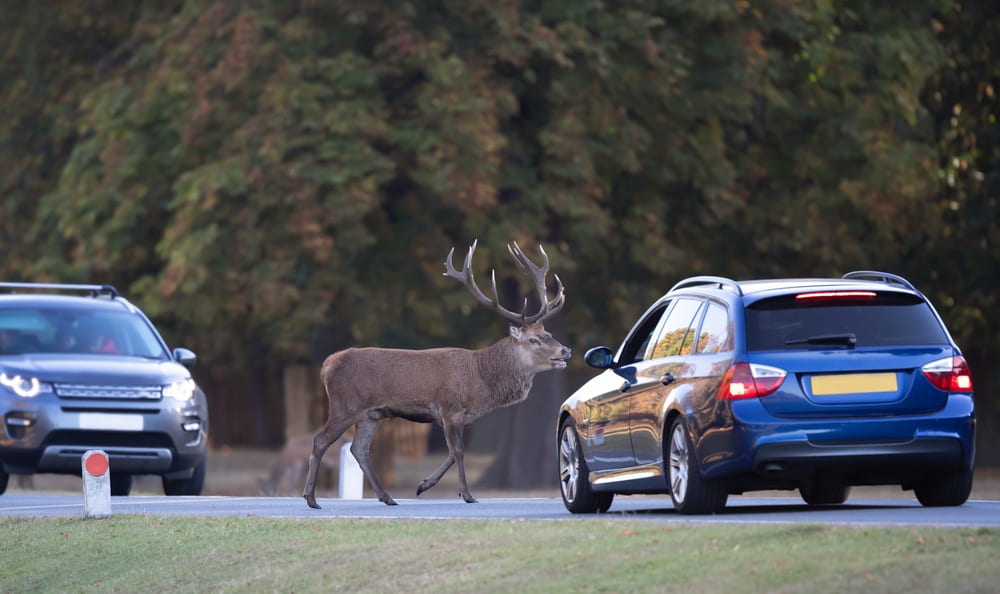
Drivers across Buffalo and Western New York frequently encounter deer, particularly during dawn and dusk when wildlife activity increases near highways and rural routes. Knowing what to do if you hit a deer allows drivers to respond calmly, document the car accident, and protect their rights after a collision.
If a deer suddenly enters the roadway and a collision occurs, pull over to a safe location, turn on your hazard lights, remain inside the vehicle, and contact local police to report the car accident. These actions protect driver safety, create documentation for insurance claims, and reduce hazards for other motorists on the road. At O’Brien & Ford, we help Buffalo drivers address the aftermath of wildlife-related crashes, especially when injuries or insurance disputes follow a serious car accident.
Because a deer’s body typically strikes at hood or windshield height, the impact can spread across multiple systems, affecting safety, visibility, and drivability. Common damage patterns include:
Even a minor wildlife collision can affect multiple vehicle systems, often requiring a thorough inspection before a driver safely returns to the road.
When a deer enters the road without warning, most drivers are not held legally responsible since wildlife behavior falls outside their control. Liability can still become a factor if a driver swerved into another vehicle or was speeding through a known wildlife zone at the time of the collision.
Insurance companies typically review police reports, vehicle damage, and witness statements before approving compensation, which is why working with a car accident lawyer from the start can make a real difference in the outcome of a claim.
Most comprehensive auto insurance policies cover deer collision damage since the event falls outside a driver’s control. Drivers carrying only liability coverage generally will not receive reimbursement for vehicle repairs, so reviewing policy details before filing helps clarify what compensation may be available.
Buffalo Personal Injury Lawyer. Choose the 2’s.
With over 80 years of combined experience, the Buffalo personal injury lawyers at O’Brien & Ford, PC are here to fight for the justice you deserve. Call us today at (716) 222-2222 to schedule your free consultation with one of our top-rated attorneys.
Knowing what to do if you hit a deer helps protect your safety and preserve your claim, and in Buffalo, where wildlife crossings are common, acting quickly can make a significant difference:
Taking these steps immediately after a deer collision helps protect your health, strengthen your insurance claim, and preserve your legal rights under New York law.

Leaving the scene without addressing damage or injuries may violate New York’s accident reporting laws. Drivers involved in a collision must ensure roadway safety and report incidents when significant property damage or injuries occur.
A police report is often required for insurance claims, and remaining at the scene allows emergency responders to assist injured drivers and clear any roadway hazards.
If a deer flees after impact, pull over safely, inspect the damage, and contact police if injuries or significant damage occurred. Even when the animal disappears, the collision still qualifies as a wildlife-related car accident under New York law, and documenting vehicle damage, debris, and road conditions with photos can strengthen your insurance claim considerably.
Wildlife crossings are common across Western New York highways and rural roads, making prevention an important part of knowing what to do if you hit a deer. The New York State Department of Transportation’s deer safety guidance recommends staying especially alert at dawn and dusk, when deer are most active and reaction time can be slower in low-light conditions.
Reducing speed in marked wildlife zones and using high beams on rural roads improves visibility, and spotting one deer should prompt extra caution since whitetail deer typically travel in groups. When possible, staying in central lanes adds a few extra seconds to react to animals emerging from road edges, and wearing a seatbelt remains essential regardless of the precautions taken.
Swerving to avoid a deer often causes more serious harm than the collision itself. Sudden steering movements can lead to head-on crashes, rollovers, or impacts with roadside barriers, outcomes far more dangerous than striking the animal directly. Braking firmly while staying in the lane is generally the safer response, as it reduces speed and impact severity without putting surrounding traffic at risk.
A deer collision can leave drivers facing expensive repairs, injuries, or insurance disputes. O’Brien & Ford helps Buffalo drivers understand what to do if they hit a deer and pursue fair compensation after a car accident involving wildlife. If injuries, insurance delays, or liability disputes arise after a deer crash, contact us today at 716-222-2222 to schedule a free consultation.
Chris O’Brien is a nationally recognized personal injury attorney with over 30 years of experience fighting for accident victims in Western New York. A founding partner at O’Brien & Ford, he has helped recover millions for clients and built a reputation as a top trial lawyer and educator. Chris is a Diplomate of the National College of Advocacy, a member of the Million Dollar Advocates Forum, and was named one of Western New York’s Top Ten Lawyers by Buffalo Business First. He lives in Amherst with his family and their Bernedoodle, Moose.
Years of experience: 33 years
Practice areas: Personal Injury Law, Car Accidents
Location: Buffalo, New York
Avvo | Super Lawyers | Best Lawyers | FindLaw


This page has been written, edited, and reviewed by a team of legal writers following our comprehensive editorial guidelines. This page was approved by Attorney Chris O’Brien, who has more than 33 years of legal experience as a personal injury attorney.
Key Takeaways Injured passengers can sue the driver of their own vehicle, another driver, or both parties. New York's no-fault system pays initial medical costs through the host driver's PIP ...
Posted by Chris O’Brien
Key Takeaways Liability insurance does not cover vehicle damage from hitting a deer in New York. Comprehensive coverage is the only policy type that pays for a direct deer strike. Coll...
read morePosted by Chris O’Brien
Key Takeaways New York requires at least $25,000 per person and $50,000 per accident in bodily injury liability coverage. Bodily injury liability covers medical expenses, lost wages, and ...
read moreGet a Free Case Evaluation
If you or a loved one has been seriously injured, please fill out the form below for your free consultation or call us at (716) 222-2222

 716-222-2222