
Free Consultation 716-222-2222
Speak to a Lawyer 24/7
Speak to a Lawyer 24/7
Truck accidents often raise complicated questions about responsibility. Victims may wonder who is liable in a truck accident. To answer that question clearly, several parties may share responsibility in a truck accident, such as the driver, trucking company, manufacturer, cargo loaders, or even government agencies that maintain the roads. Determining liability requires a thorough investigation into the accident details and the actions of each potential party.
At O’Brien & Ford, we recognize that liability is rarely straightforward and often involves overlapping responsibilities. By examining how these factors interact, we can provide clearer guidance for anyone facing the aftermath of a serious collision.
Protecting the Injured in Western New York.
Several parties can be liable in a truck accident depending on their role and conduct. Truck crashes rarely involve just one factor, which is why liability may rest with multiple sources. Courts and insurers determine who is liable in a truck accident by examining negligence, control, and causation and comparing how each decision contributed to the harm.
The truck driver may be liable if negligence caused the accident. Examples include distracted driving, fatigue from ignoring rest rules, or operating under the influence. In poor weather conditions such as snow, ice, or heavy rain, reduced visibility and slick pavement increase risks, so unsafe speed or late braking can shift the balance toward driver fault.
The trucking company may be held responsible for unsafe practices. This can include hiring unqualified drivers, failing to enforce rest requirements, or neglecting vehicle maintenance. According to the Federal Motor Carrier Safety Administration, all carriers and drivers operating commercial motor vehicles (CMVs) are required to comply with federal Hours of Service (HOS) regulations, which establish maximum driving times and mandatory rest periods.
Company policies that reward tight schedules or overlook Hours of Service logs often lead to findings of corporate responsibility rather than placing the blame solely on the driver.
The cargo company may be liable if improper loading contributed to the accident. Overloaded or unsecured cargo can cause trucks to jackknife or tip over. Bills of lading, load diagrams, and scale tickets usually show who handled the load, which helps clarify who may be liable in a truck accident when shifting weight or falling cargo starts the chain of events.
A truck manufacturer may be liable when defective parts lead to an accident. Faulty brakes, steering components, or tires have all caused serious collisions in the past. When testing data or internal reports connect a component to loss of control, the focus turns to product defect theories and the company that designed or built the part.
Government agencies or road contractors may be liable if unsafe roads caused the accident. Poorly maintained highways, inadequate signage, or construction zone hazards may place liability on the municipality or the private contractor hired to manage the roads.
Evidence collection is key to proving liability. Police reports, witness statements, and crash scene photographs all help clarify what happened. According to the New York State Bar Association (NYSBA), after an accident, it is important to gather basic details at the scene. This includes the names and addresses of all drivers and passengers, as well as the ownership, license number, year, and make of every vehicle involved. These records provide a foundation for determining fault and pursuing claims.
Electronic sources matter as well. Most tractors now keep electronic logging device data, engine control module downloads, and telematics showing speed, brake use, and sudden deceleration. Dashcam footage, weigh station records, and dispatch messages fill gaps that witnesses cannot.
Paper trails still count. Maintenance logs, inspection reports, and work orders show whether problems should have been fixed, while bills of lading identify who loaded the trailer. Weather conditions such as snow or heavy rain may hide skid marks, so timely photos, mapping, and quick preservation of nearby surveillance footage can all help build a clearer liability theory.
Buffalo Personal Injury Lawyer. Choose the 2’s. With over 80 years of combined experience, the Buffalo personal injury lawyers at O’Brien & Ford, PC are here to fight for the justice you deserve. Call us today at (716) 222-2222 to schedule your free consultation with one of our top-rated attorneys.
Top-Rated Personal Injury Lawyers
More than one party may share liability in a truck accident. For instance, a fatigued driver may have caused the crash, but the trucking company’s demanding schedule could also be at fault. By identifying all responsible parties, victims increase the chance of securing accountability from every source tied to the collision.
Looking at contracts often shows who had control. Broker, carrier, and owner-operator agreements reveal who sets safety rules and manages the trip. Employment records separate employees from independent contractors, and checking timelines, such as who scheduled the run or approved maintenance, helps clarify who is liable in a truck accident and avoid gaps in insurance coverage.
When multiple parties share liability, damages are often divided based on comparative fault. In many cases, each party is assigned a share of responsibility. This means a victim may still recover compensation even if they share some responsibility, though the recovery could be reduced in proportion to their role in the crash.
Where several defendants are involved, practical issues arise. Separate insurers may dispute causation, each pointing to the other’s policy. Contribution claims are common, and settlement may require a careful approach that reflects each party’s share of fault.
Victims also need a plan for evidence access. Protective orders manage confidential materials like proprietary telematics, but preservation obligations still apply. Coordinating document requests for carriers, maintenance vendors, and shippers keeps the record complete and supports a clear answer to who is liable in a truck accident when the case moves toward resolution.
Liability after a trucking crash can feel overwhelming, but you do not have to face it alone. At O’Brien & Ford, our team takes the time to investigate every angle, from driver behavior to company policies and product defects. We focus on uncovering who is liable in a truck accident so victims can confidently pursue justice. Contact us today at 716-222-2222 or visit us at 4549 Main St, Suite 201, Buffalo, NY 14226.
Chris O’Brien is a nationally recognized personal injury attorney with over 30 years of experience fighting for accident victims in Western New York. A founding partner at O’Brien & Ford, he has helped recover millions for clients and built a reputation as a top trial lawyer and educator. Chris is a Diplomate of the National College of Advocacy, a member of the Million Dollar Advocates Forum, and was named one of Western New York’s Top Ten Lawyers by Buffalo Business First. He lives in Amherst with his family and their Bernedoodle, Moose.
Years of experience: 33 years
Practice areas: Personal Injury Law, Car Accidents
Location: Buffalo, New York
Avvo | Super Lawyers | Best Lawyers | FindLaw


This page has been written, edited, and reviewed by a team of legal writers following our comprehensive editorial guidelines. This page was approved by Attorney Chris O’Brien, who has more than 33 years of legal experience as a personal injury attorney.
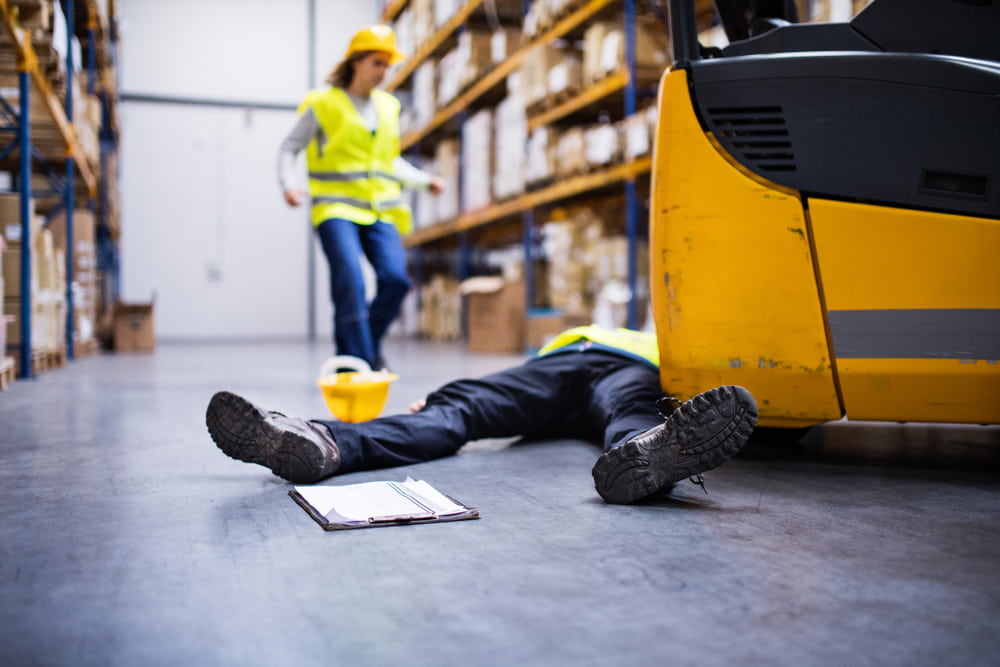
Forklifts are essential in Buffalo warehouses and construction zones, but dangerous. What is the most common type of lift truck accident? Tip-overs, or rollovers, top the list. These crashes happen w...
Posted by Chris O’Brien
When a commercial truck accident happens, one of the first questions that comes up is how many hours can a truck driver drive. Fatigue plays a major role in serious collisions involving large tru...
read moreGet a Free Case Evaluation
If you or a loved one has been seriously injured, please fill out the form below for your free consultation or call us at (716) 222-2222


 716-222-2222