
Free Consultation 716-222-2222
Choose The 2’s
Choose The 2’s
Rear-end collisions happen every day on Buffalo roads, from busy intersections to stop-and-go highway traffic, and they often leave injured drivers facing more questions than answers. One of the first concerns people raise is who is at fault in a rear-end collision, especially once insurance companies begin disputing responsibility or minimizing claims.
New York law generally presumes the rear driver caused the crash because drivers must keep a safe following distance. This presumption does not automatically decide every case. Fault can shift or be shared when the front driver acts carelessly, such as stopping without a valid reason, driving with malfunctioning brake lights, or becoming distracted while driving. At O’Brien & Ford, we help injured Buffalo drivers understand how these details affect a car accident claim so they can move forward with clarity and confidence.
Rear-end accidents often occur when a driver is unable to stop in time after traffic slows or comes to a halt. In many situations, the problem begins with following too closely. Without enough space between vehicles, even normal braking can lead to a collision.
This risk intensifies when distraction is introduced into the equation. Drivers who look at their phones, adjust navigation systems, or focus on in-vehicle controls lose valuable reaction time, which reduces their ability to respond to brake lights ahead. According to the New York State Department of Motor Vehicles, New York law prohibits holding a mobile phone or portable electronic device while driving, and violations often appear in rear-end collision investigations as evidence of driver inattention.
Beyond distraction, several other factors can further limit a driver’s ability to stop safely. Speeding shortens the time available to react and increases the force of impact, while fatigue delays reflexes. In Buffalo specifically, winter conditions add another layer of complexity. Snow, ice, and slush reduce tire traction and require longer stopping distances.
Determining who is at fault in a rear-end collision requires more than identifying which vehicle struck the other. Fault depends on whether each driver acted reasonably based on the conditions at the time of the crash. Insurance carriers and courts review factors such as driver behavior, traffic patterns, visibility, road conditions, and compliance with traffic laws.
Although the rear driver often begins with a presumption of responsibility, this presumption does not end the analysis. Evidence may show the front driver created an unsafe situation, or that external conditions made the collision unavoidable. When multiple factors contribute to a rear-end accident, fault may be shared, which directly affects how compensation is evaluated under New York law.
New York uses a comparative negligence system, which means an injured person may still recover compensation even when they share some responsibility for a crash. Under New York Civil Practice Law and Rules § 1411, a person’s share of fault reduces the amount of compensation rather than eliminating recovery.
This rule often applies in rear-end collisions because responsibility is not always limited to one driver. While the rear driver usually starts with a presumption of fault, the front driver’s actions may also contribute to the crash. For example, a driver who follows too closely may share responsibility with a lead driver who stops suddenly without an apparent reason, leading to a split evaluation of fault.
Assigning responsibility requires a thorough examination of objective evidence. Investigators and insurance adjusters rely on multiple sources to piece together what happened and who bears responsibility.
Police reports often serve as a starting point in fault evaluations. Officers record vehicle positions, roadway conditions, driver statements, and any citations issued. While a report does not determine liability by itself, details such as following distance, distraction, or unsafe driving often influence insurance decisions.
Eyewitness accounts can help clarify disputed facts. Independent observers may confirm sudden braking, unsafe lane changes, or inattentive driving. When drivers provide conflicting versions of events, consistent third-party testimony can support a clearer understanding of how the collision occurred.
Video evidence offers a direct view of the moments before the crash. Dash cam footage may capture sudden stops, failure to signal, or phone use. Traffic cameras can show vehicle movement and signal timing. This type of evidence often carries significant weight when fault is contested.
Damage to the vehicles often helps explain how a rear-end collision occurred. The location and severity of impact can show whether a driver followed too closely, braked too late, or changed lanes unexpectedly. Front-end damage to the rear vehicle typically supports delayed braking, while angled damage may suggest sudden movement by the front driver. Photos and repair records help confirm these details.
Injuries often reinforce what physical evidence reveals. Whiplash commonly follows sudden stops, while concussions may indicate higher-speed impacts or delayed reactions. Soft tissue injuries tend to appear in moderate-force crashes and can reflect limited stopping distance. Back injuries, including disc damage, may result from multiple impacts, while spinal cord injuries and traumatic brain injuries usually involve severe force, raising concerns about excessive speed or failure to slow for conditions.
Multi-vehicle rear-end crashes rarely have a single, clear cause. When several vehicles collide one after another, determining who is at fault in a rear-end collision requires looking at how each driver reacted before and during the chain reaction. The driver who triggered the first impact often carries the most significant share of responsibility, but other drivers may also share fault if they followed too closely or lacked enough time to stop safely.
Investigators examine whether each driver maintained a proper distance, remained alert to traffic conditions, and adjusted their speed as vehicles ahead slowed. These details help explain how the chain reaction developed and how responsibility should be divided among the drivers involved.
Buffalo Personal Injury Lawyer. Choose the 2’s.
With over 80 years of combined experience, the Buffalo personal injury lawyers at O’Brien & Ford, PC are here to fight for the justice you deserve. Call us today at (716) 222-2222 to schedule your free consultation with one of our top-rated attorneys.
No, the driver behind is not always at fault in a rear-end accident. Although New York presumes the trailing vehicle should avoid impact, that presumption can be challenged with evidence showing negligent behavior by the front driver or unavoidable conditions.
In some situations, the rear driver may not be responsible for a rear-end crash, including:
When one or more of these factors exists, the presumption of rear-driver fault may no longer apply, and liability may shift based on the specific circumstances of the crash.
A rear driver can challenge fault by showing what actually happened in the moments before the crash. Evidence such as video footage, witness statements, vehicle maintenance records, weather reports, and photos from the scene can help demonstrate that the driver remained alert and adjusted their speed to match the road conditions. When this information points to unavoidable circumstances or unsafe actions by another driver, it can weaken the assumption of automatic responsibility.
The front driver may be responsible when their actions create an unsafe situation for vehicles behind them. Depending on the circumstances, fault may be shared or placed entirely on the lead driver.
When these behaviors are present, fault can shift away from the rear driver and alter how responsibility is evaluated in a rear-end accident.
Maintaining a safe following distance is one of the most effective ways to prevent rear-end collisions. When drivers leave adequate space, they gain the time needed to recognize hazards and stop safely. In Buffalo, congestion and winter weather make this distance even more critical, as snow and ice extend stopping distances significantly.
The three-second rule offers a practical guideline for maintaining a safe distance. Choose a fixed point ahead, such as a sign or tree, and count the seconds after the vehicle in front of you passes it. You should reach that same point no sooner than three seconds later. In poor weather or heavy traffic, extending this to four or five seconds provides the extra margin needed to stop safely.
After a crash, uncertainty around fault, evidence, and insurance can create added stress for injured drivers. When questions arise about who is at fault in a rear-end collision, clear legal guidance can help protect your interests and clarify next steps. At O’Brien & Ford, we assist Buffalo residents with evaluating responsibility, organizing evidence, and handling insurance communications. To discuss your situation, call 716-222-2222 for a free consultation.
Chris O’Brien is a nationally recognized personal injury attorney with over 30 years of experience fighting for accident victims in Western New York. A founding partner at O’Brien & Ford, he has helped recover millions for clients and built a reputation as a top trial lawyer and educator. Chris is a Diplomate of the National College of Advocacy, a member of the Million Dollar Advocates Forum, and was named one of Western New York’s Top Ten Lawyers by Buffalo Business First. He lives in Amherst with his family and their Bernedoodle, Moose.
Years of experience: 33 years
Practice areas: Personal Injury Law, Car Accidents
Location: Buffalo, New York


This page has been written, edited, and reviewed by a team of legal writers following our comprehensive editorial guidelines. This page was approved by Attorney Chris O’Brien, who has more than 33 years of legal experience as a personal injury attorney.
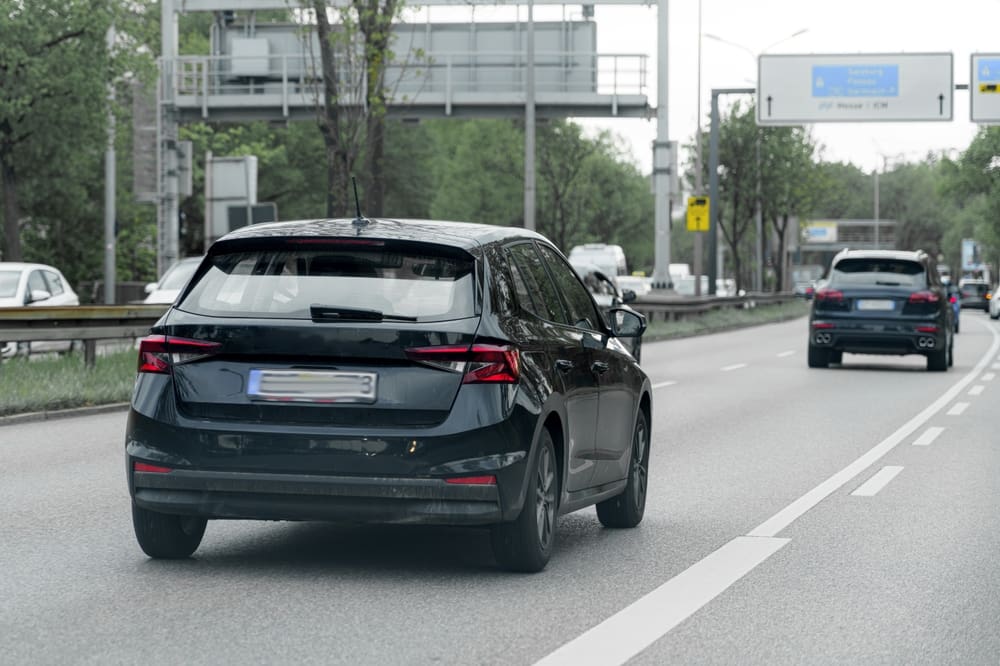
Most rear-end collisions happen because drivers fail to maintain adequate space between vehicles, leaving no room to react when traffic slows or stops suddenly. This becomes especially critical o...
Posted by Chris O’Brien
Many drivers assume they know the basic traffic rules, but accidents often spark questions about unexpected details like footwear. This confusion often leads drivers to ask after an accident, “...
read morePosted by Chris O’Brien
Pain after a collision does not always mean broken bones. Many Buffalo drivers deal with ongoing discomfort in the neck, back, shoulders, or joints, even when X-rays come back clear. A soft tissu...
read moreIf you or a loved one has been seriously injured, please fill out the form below for your free consultation or call us at (716) 222-2222

 716-222-2222